
Sep
How To Grow Marijuana Seeds
What Are the First Signs of Flowering Stage Outdoors?
To know when your cannabis plants will flower, you first need to understand how it works and the concept of photoperiodism. Besides, knowing when the plants start the flowering stages is crucial because how you prepare your growing environment and your plants for such a delicate period determines whether you get better or worse results. That said, here are the first signs of the flowering stage outdoors.
What Is the Cannabis Flowering Stage?
The flowers of marijuana are the seed-bearing parts or the reproductive organs of a plant. Besides, in marijuana plants, the male usually produces pollen, whereas the female plants produce a bud. So, although cannabis flowers look different than other flowering plants, it is only in appearance; everything else is the same.
The flowering stage is risky since a mistake here might reduce your potential yield. Cannabis plants are more sensitive at this growth stage, so pay attention to their needs.
What Are the First Signs of the Flowering Stage Outdoors?
The vegetative stage starts when you move your cannabis seedlings outdoors to where you plan to transplant them. This stage takes about 28 days. Depending on the cannabis strains, the flowering period might take 7 to 10 weeks. At the most basic level, sativas and indicas mature at different rates. For example, some sativas usually require more than seven to ten weeks to mature.
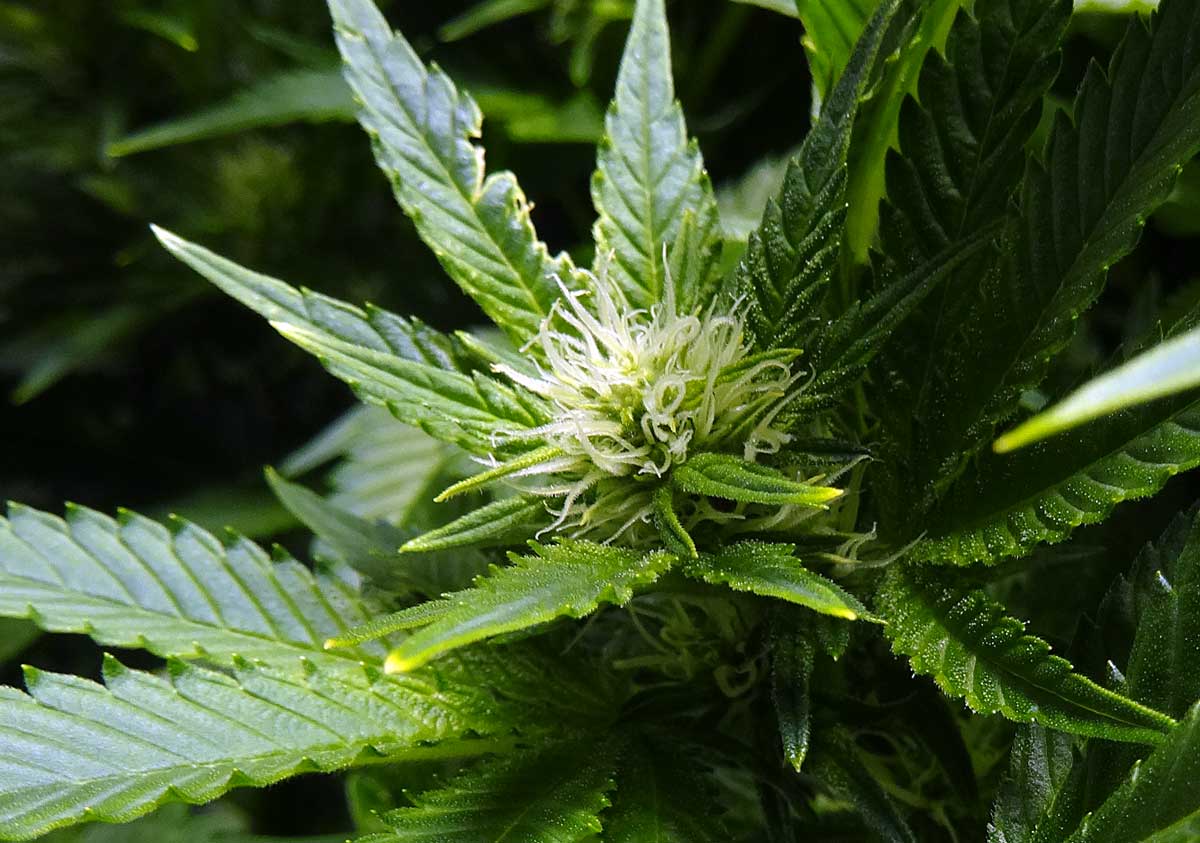
Image Source: growweedeasy.com
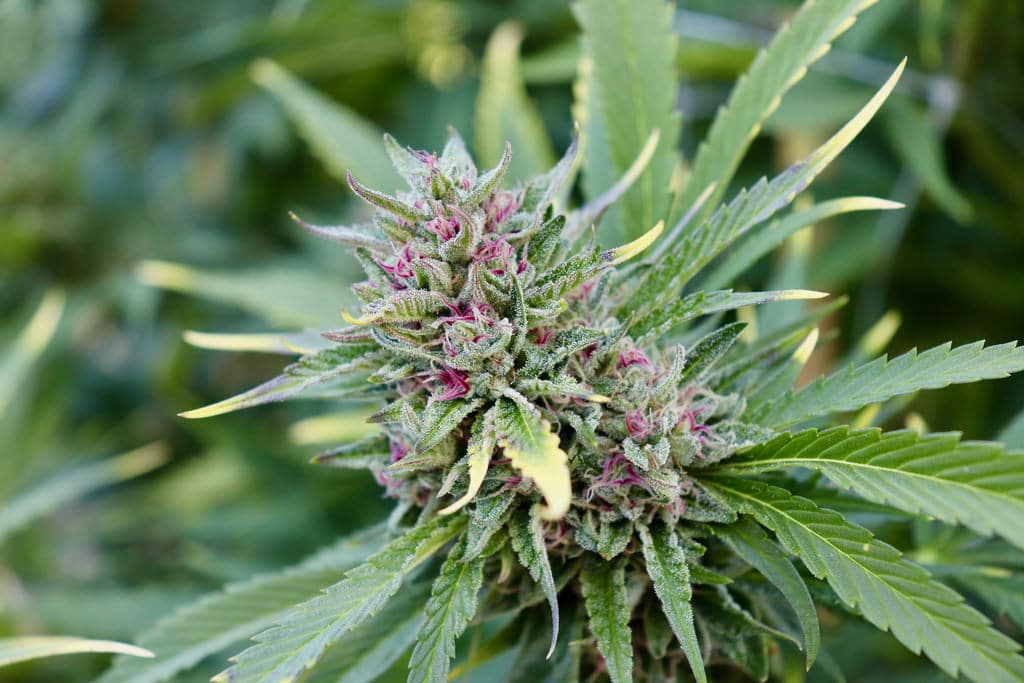
The marijuana flowering stage begins when your plant experiences more periods of darkness. This will happen with the seasonal cycle for the growers practicing outdoor growing. Hence, the change from the vegetative to weed flowering stage is expected to happen at the end of summer. And when pistils start to emerge from your cannabis plants, you know the flowering period has begun.
Week by Week Cannabis Flowering Guide
Here is what happens during the marijuana flowering stage from week to week. Take a look and gauge your weed plants’ health and growth cycle.
Check out The Seed Pharm Strain Reviews
- Blue Cookies Strain Review
- Gelonade Strain Review
- Gush Mints Strain Review
- Horchata Strain Review
- Blue Dream Strain Review
- Italian Ice Strain Review
- Jungle Cake Strain Review
- LA Kush Cake Strain Review
- Lava Cake Strain Review
- Lemon Cherry Gelato Strain Review
- Black Runtz Strain Review
Week 1: Stretch Week
This is the first stage of “puberty” for cannabis plants. During this period, the plants stretch tall to achieve their maximum height as they get ready to handle the weight of many blooms. Besides, your plants will also produce new leafy green accouterments, such as stems and leaves. The increased leaf surface area will help convert sunlight into more food to support flowering.
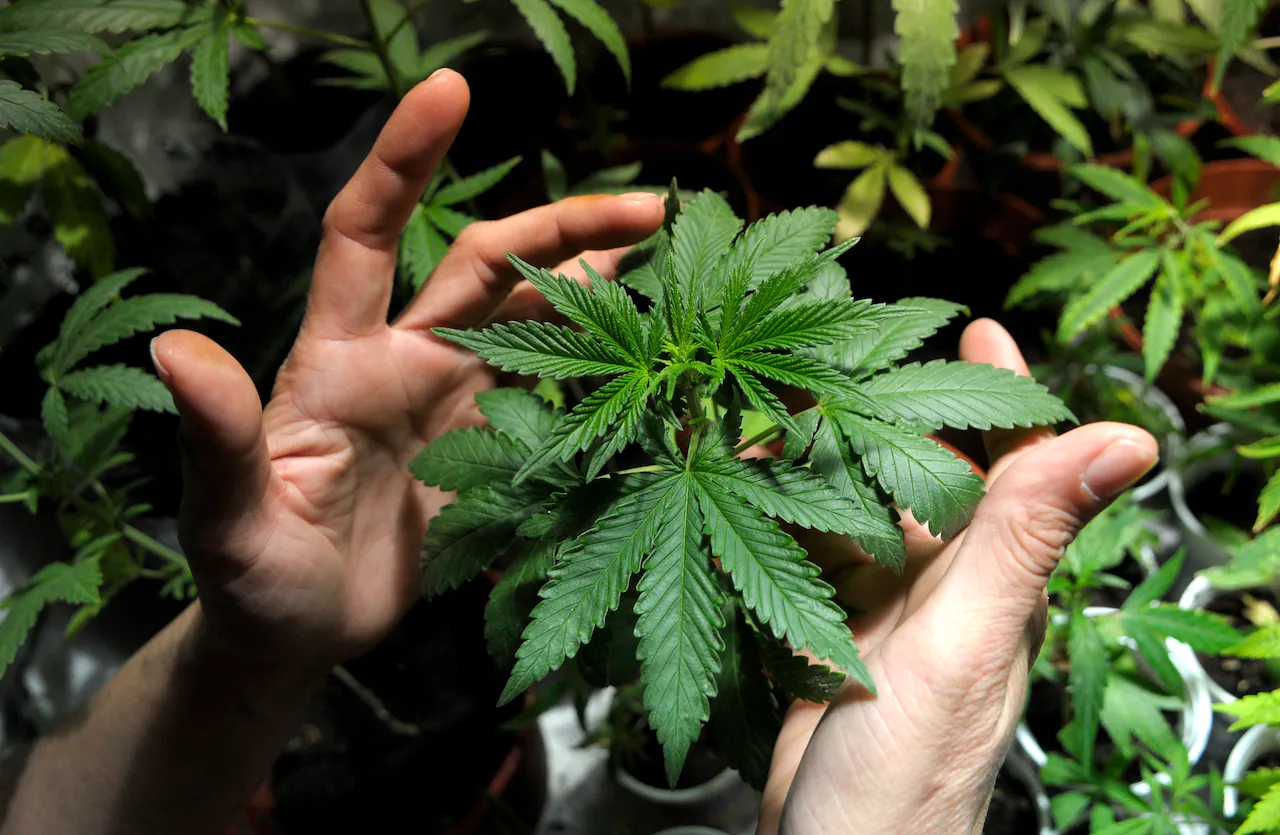
Image Source: cbc.ca
During weeks 1-4, your cannabis plants will start to produce buds. You can help the emerging leaves create a welcoming and spacious area at the center for a flower to bloom by gently pushing them downward. This approach is known as “low-stress training,” and it’s used to create a level canopy that will sustain flowers and capture light.
Furthermore, during this stage, the plant’s energy will be diverted from growing large and tall to developing bushy and fragrant flowers. Consequently, these cannabis sativa plants will flower into gorgeous blooms after this week of stretching.
Week 2: Determine the Sex
As the signs of budding start to show, it’s crucial to determine the sex of your plant. For example, female plants will show small sprouts of white pistils, whereas male plants will start to produce tiny pollen sacs.
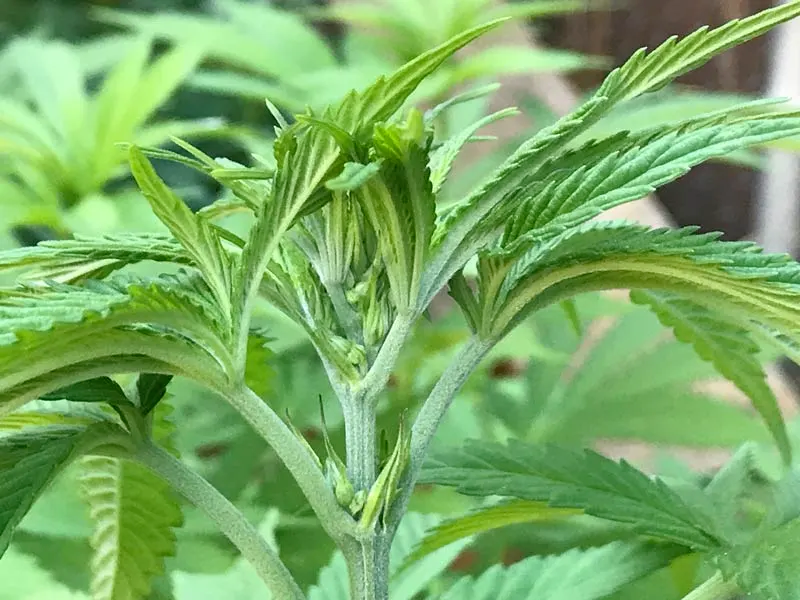
Image Source: theleafonline.com
Learn the characteristics of the pistils well since your observation of them throughout this flowering stage will help you understand what stage your marijuana plant is at. In week 2, the pistils will form where the leaves meet the stem. And the wispy hairs are the first signs of your floral buds to come.
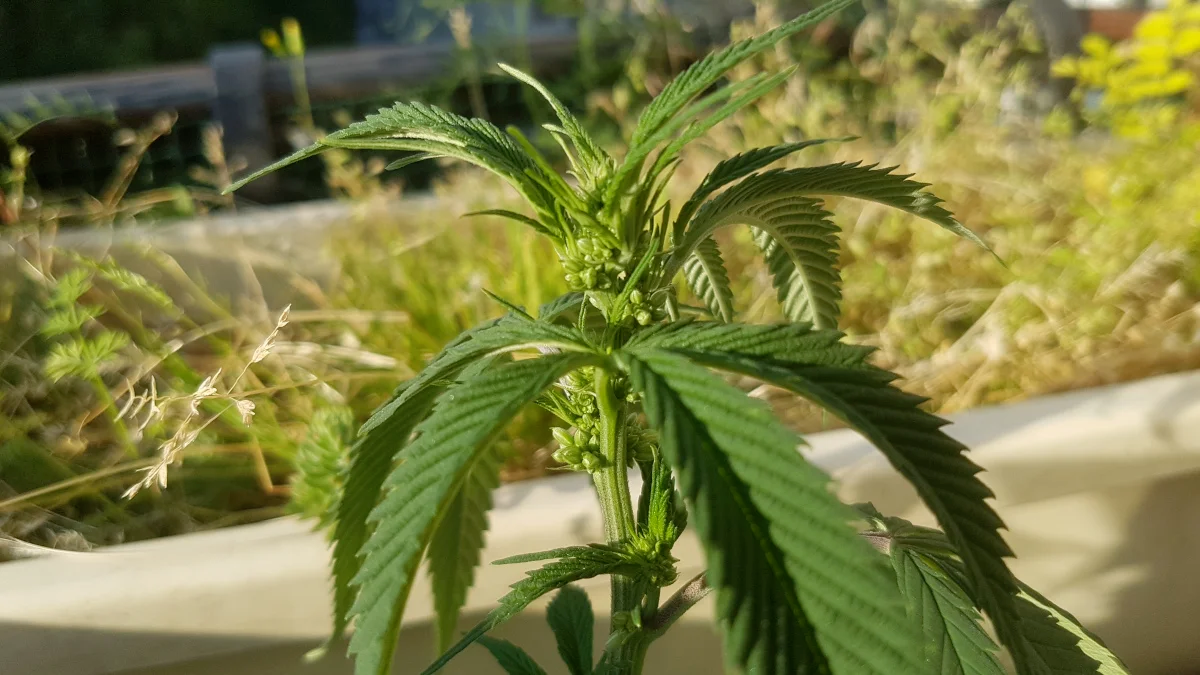
Image Source: theseedpharm.com
If you don’t want to grow them, remove the male plant as soon as you identify the gender is determined. Otherwise, they will not bud and may pollinate your female plants, making them produce seeds rather than flowers.
Week 3: End of Vegetative Stage
The third week marks the end of the vegetative stage to the flowering stage. During this stage, you will notice changes in the growth of the main trunk. The feeding routine is crucial this week as your plant will focus all its energy on the buds. Besides, you may start to see some budding.
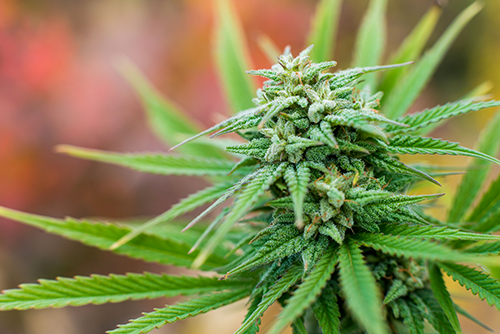
Image Source: growerschoiceseeds.com
Examine your plant for any yellowing on the leaves. You should expect some leaves to fall off or turn yellow. Also, the bushes will self-prune, removing leaves that don’t offer energy through photosynthesis. However, it’s not a good sign if your cannabis plant starts to lose leaves or discolor quickly during this period, especially towards the canopy.
Additionally, you may see a color change on the edges of your leaves. This might be a sign of a nutrition burn. Nutrient burn usually happens when you overfeed your plant. Don’t worry, though, since this isn’t a big issue; you only need to reduce your nutrition feeds while paying attention to spreading burn.
Week 4: Sprouting Buds
You will start seeing buds sprout in the fourth week on your cannabis plants. They should be covered in white pistils. Some of your cannabis buds will get larger, especially towards the end of the week.
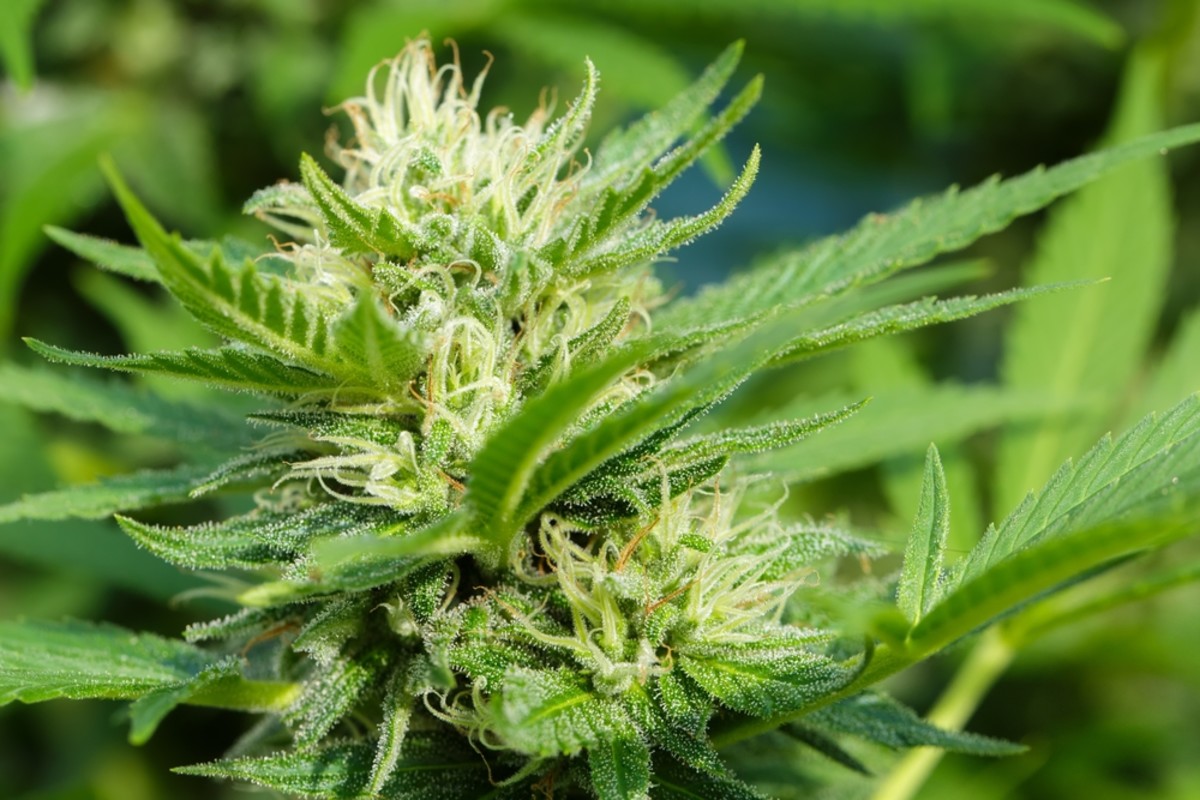
Image Source: organicauthority.com
As the buds grow and mature, they produce trichomes, which provide the common cannabis sativa smell. So in this fourth week of flowering, use your sense of scent. And by week 4, you should no longer be training downwards but rather pushing your leaves up to provide extra structural support to the dense germination in the core.
Week 5: Vegetative Growth
This week you will notice that your weed plant is starting to fill up. In this stage, the bud should be prolifically growing as the stem thickens to support the weight of such a big bush. Also, the scent will become stronger. Therefore you will need a vent system to circulate fresh air into your indoor plants.

Image Source: maximumyield.com
Additionally, expect some color changes. Some pistils may be changing from their initial whitish color to a reddish amber or brown color. The trichomes will also change color, becoming more white and opaque as the week progresses.
Week 6: Leaf Week
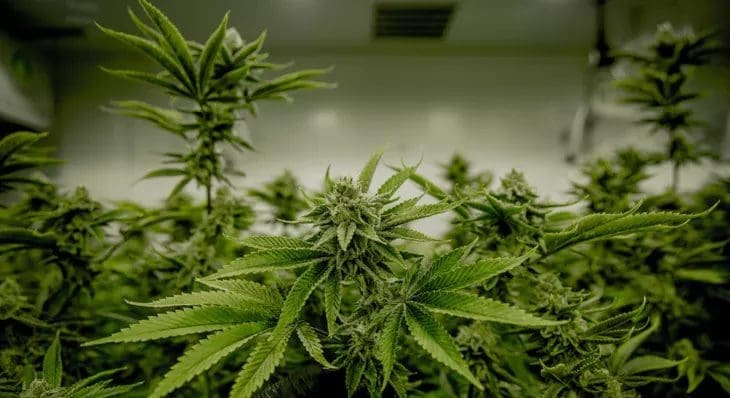
Image Source: leafwell.com
Your marijuana plants will stop growing leaves at the end of the sixth week. Therefore, protecting them against any unintentional sickness or unfavorable influence on the vegetation would be wise. Most pistils will still be white at this stage. However, since this is the fattening period, your buds should thicken by the day.
Week 7: Thickening of Buds
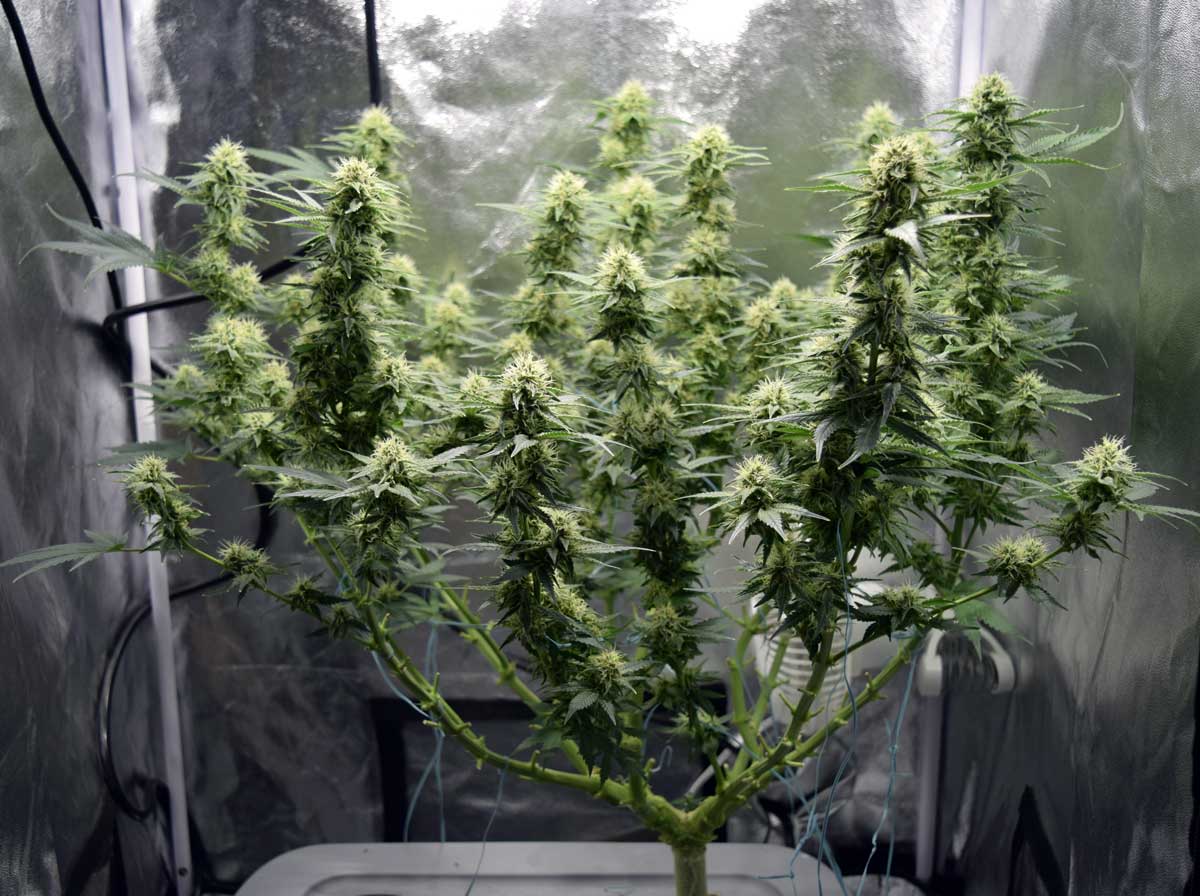
Image Source: growweedeasy.com
During this stage, your cannabis plants will focus on thickening the buds. Consequently, some of the leaves near the base may turn yellow. However, most plants will remain bushy and green for the time being. If you are growing indoors, yellowing at the canopy might be caused by the light burn.
Week 8: Flushing Your Plants
Some strains usually develop more rapidly than others; your cannabis plants require your attention at this stage. Besides, you need to care for the marijuana plant until they are ready for harvest. Therefore, we recommend stopping the fertilizer feeding on the plants and starting flushing with water only.
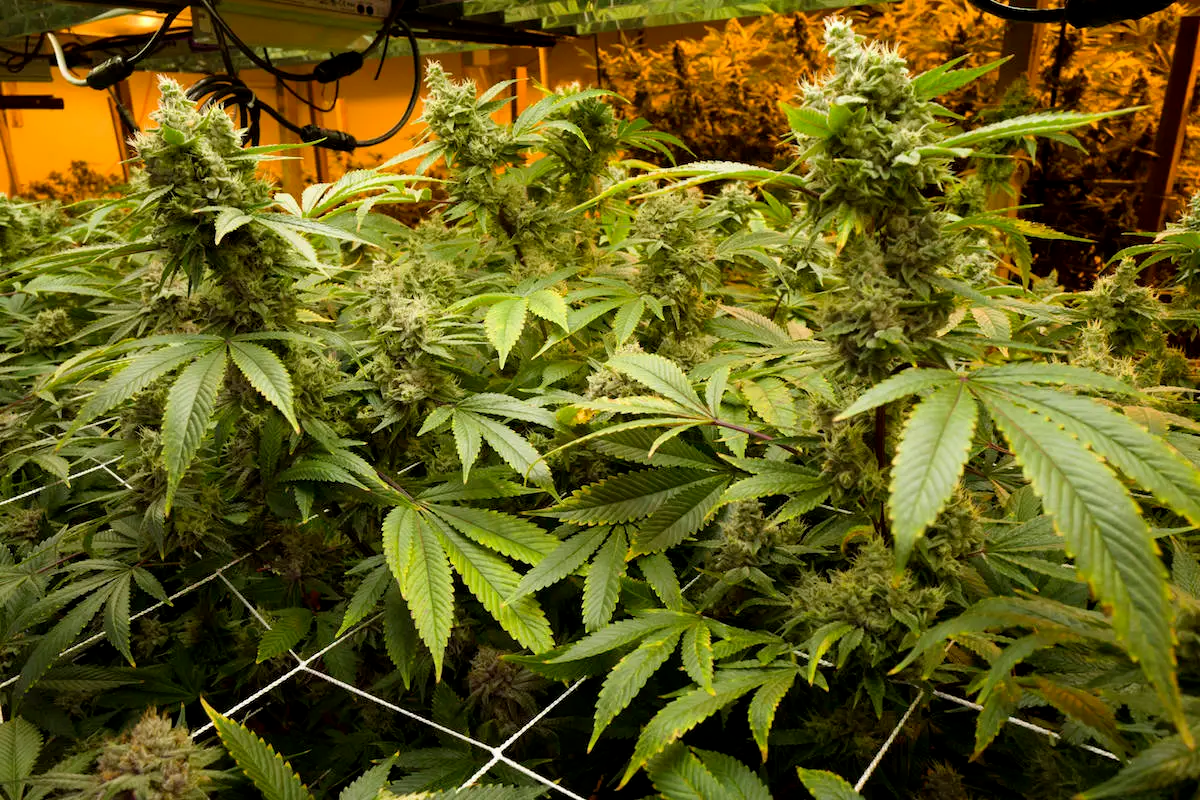
Image Source: pvtimes.com
The leaves on your plants will start yellowing rapidly, which is normal as long as it is close to harvest and the yellowing has no effect on the buds. Besides, when it’s time to harvest, the trichomes on your plants will have a cloudy white or amber coloring, and the leaves of your cannabis plant will be yellow. Example are Jealousy Strain and White Truffle Strain.
What Are the Growing Requirements for Flowering Cannabis Plants?
1. Lighting
Light is crucial at all stages of the Cannabis plant’s life cycle, and in the flowering period, it’s important to maintain a Photoperiod of 12 hours of light / 12 hours of darkness. Otherwise, your flowering plant may slow the budding process or produce hermaphrodite flowers in case of inconsistency of the photoperiod.
2. Humidity
We recommend maintaining relative humidity in the growth environment. Relative humidity usually expresses the amount of humidity in the air as a percentage. In the flowering stage, humidity should be between 40-50%.
3. Temperature
Cannabis plants thrive in temperatures ranging from 18° to 26° C during the flowering period. As a result, temperatures below this range may severely impact the plant. For instance, temperatures below 17°C may slow cannabis plant development, while temperatures below 2°C may permanently damage it. Conversely, high temperatures also have a detrimental impact on the plant. Temperatures above 28° C can cause stunted growth, excessive dryness, burnt leaves, and other issues.
4. Nutrients Needed in the Flowering Stage
Nitrogen (N), Phosphorus (P), and Potassium (K) are the three most important nutrients for the development of the Cannabis plant. Therefore, when the plant starts to flower, you need to gradually increase the P and K concentrations while gradually reducing the N concentrations.
Other essential nutrients for cannabis’s proper growth include magnesium (Mg), calcium (Ca), and sulfur (S). Also, there are some micronutrients needed but in low concentrations, including Zinc (Zn), Chlorine (Cl), Cobalt (Co), Manganese (Mn), Copper (Cu), Iron (Fe), Boron (B), and Silicon (Si).
5. pH Levels
If you are growing cannabis plants in the soil, ensure the pH levels remain between 6 and 7 since most nutrients are readily available to the plant in the growing media only between this pH range. Conversely, pH values outside this range may result in nutritional deficits and toxicities since the nutrients might be present in the soil but cannot be absorbed by the plant.
6. Watering
We recommend watering your marijuana plants regularly with clean water. Avoid overwatering and check the drainage. If you want to know when to water your cannabis plants, stick your finger down an inch or a few centimeters into the soil; if it is dry, it is time to water.
Featured Image Source: growbarato.net
