
May
Beginner's Guide to Growing Marijuana
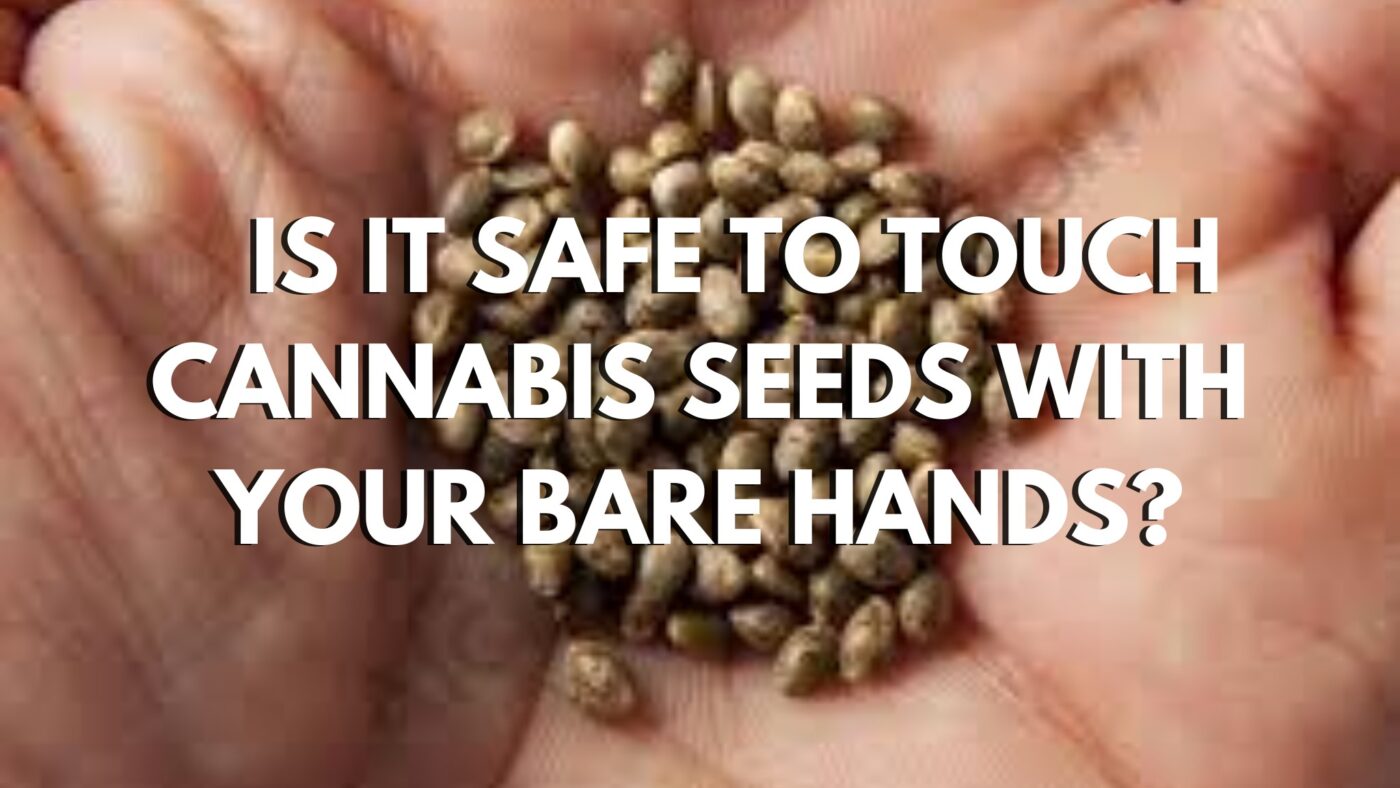
Is It Safe To Touch Cannabis Seeds With Your Bare Hands?
So, you’re about to kick off your cannabis growing journey whether it’s a small personal grow in a closet or a larger setup in a tent or dedicated room, congratulations. You’re stepping into a fascinating, rewarding world filled with science, patience, and a whole lot of green. But like with any new hobby, especially one as detail-oriented as cultivating cannabis, the first steps come with a flood of questions. One of the most common and surprisingly debated concerns something that seems incredibly simple:
Is it okay to touch cannabis seeds with your bare hands?
Maybe you’ve already bought your first pack of seeds. They’re small, hard, often beautifully striped and they represent the beginning of your entire grow. Naturally, you want to do everything right. Maybe you’ve watched YouTube growers tossing seeds around like it’s no big deal, or read forum posts insisting you need gloves and tweezers like you’re performing surgery. It’s confusing, especially when the advice online swings from “they’re tough, don’t worry about it” to “never touch them with your skin or you’ll ruin everything!”
The truth? Like most things in cannabis cultivation, it’s not black and white. Seeds are living organisms and like any living thing, they deserve care and respect. But they’re also designed by nature to be tough and capable of surviving in the real world, not just in sterile grow tents.
we’ll break down what really happens when you touch cannabis seeds, whether your fingers can actually harm them, and when, if ever it’s worth breaking out the gloves. We’ll look at the biology of seeds, the role of contamination and moisture, and best practices to give your grow the strongest start possible.
So, let’s clear the air and get to the truth about handling cannabis seeds because your journey is just beginning, and it’s worth starting with confidence.
Understanding Cannabis Seeds
What Are Cannabis Seeds?
Cannabis seeds are the foundation of every plant, holding the potential for everything from towering sativas to compact, resin-heavy indicas. Though they may be small about the size of a peppercorn, each seed contains a complete genetic blueprint that determines the plant’s structure, growth pattern, resistance to disease, and chemical profile. Inside the hard outer shell, known as the testa, lies a tiny embryo packed with all the essential components needed to kickstart life: the radicle (future root), the shoot, and the first embryonic leaves, or cotyledons.
The appearance of cannabis seeds can vary slightly depending on the strain and genetics. Healthy seeds typically have a firm shell and may feature dark brown hues with mottled or tiger-striped patterns, while some are more uniformly colored. These visual cues can offer some insight into the seed’s maturity and quality, though they’re not always foolproof. What’s more important is how the seed has been stored and handled factors that directly impact its viability and germination rate. When kept in a cool, dark, and dry environment, cannabis seeds can remain viable for years.
There are also different types of cannabis seeds, each suited to different cultivation goals. Regular seeds can produce either male or female plants and are often used by breeders. Feminized seeds, which are engineered to produce only female plants, are preferred by most growers focused on harvesting buds. Autoflowering seeds flower based on age rather than light cycles, making them ideal for beginners or those looking for a quick turnaround. Regardless of type, all cannabis cultivation starts with the seed, a compact but powerful vessel containing everything needed to grow a thriving, productive plant.
Anatomy of a Cannabis Seed
Each cannabis seed is encased in a hard outer shell known as the seed coat, or testa, which serves as a protective barrier for the delicate life within. This outer shell is not just a passive covering; it plays a crucial role in safeguarding the seed’s embryo from physical damage, dehydration, temperature fluctuations, and harmful pathogens. Think of it as a natural armor, specially designed by nature to endure the elements and keep the seed viable until conditions are just right for germination. It’s durable, yes able to withstand pressure and rough handling to a certain extent but it’s not indestructible. Excessive force, high humidity, or prolonged exposure to contaminants can compromise its integrity and reduce the seed’s chances of successful sprouting.
Beneath this shell lies the true powerhouse of the seed: the embryo, which contains all the genetic material and essential components the plant needs to begin its life. Alongside the embryo are tiny stores of nutrients the seed’s own food supply which will sustain the plant in its earliest stages of growth, before it begins drawing nutrients from soil or a grow medium. These internal components are extremely sensitive, and if the shell is cracked, crushed, or weakened, the embryo can become exposed to the environment, risking damage or infection. That’s why proper handling and storage of cannabis seeds is so important.
The seed coat also plays a role in regulating when germination occurs. In nature, cannabis seeds rely on environmental cues such as moisture, temperature, and light conditions to trigger the softening of the seed coat and allow water to penetrate. Once this happens, the embryo swells and the radicle (the first root) emerges, marking the beginning of the plant’s life cycle. This process is delicate and can be disrupted if the seed coat has been compromised prematurely. So while the seed coat is built for resilience, growers should treat cannabis seeds with care and respect recognizing that even this tiny outer shell is a vital component of a successful grow.
Types of Cannabis Seeds
- Feminized Seeds: Engineered to produce only female plants (the ones you want for bud).
- Autoflowering Seeds: These bloom based on age, not light cycles.
- Regular Seeds: These can grow into either male or female plants.
Common Concerns About Touching Cannabis Seeds
Can Human Touch Affect Seed Germination?
Let’s face it even when our hands look clean, they’re almost always carrying some level of natural oils, sweat, or residue from everyday products like lotions, soaps, or even sanitizers. These substances, while harmless to us, can potentially transfer onto cannabis seeds when touched. While a single brief contact may not cause immediate harm, the buildup of these residues especially when handling multiple seeds can create a thin, invisible barrier on the seed’s surface. This layer can interfere with the seed’s ability to absorb water properly, a crucial step for successful germination.
When moisture uptake is hindered, germination may be delayed, or in some cases, completely unsuccessful. Additionally, any contaminants on your hands including bacteria or fungal spores could increase the risk of infection or mold during the early, vulnerable stages of the seed’s life. This is particularly important if you’re planning to store the seeds after handling them, as the introduction of moisture or oils could shorten their shelf life. To avoid these issues, it’s a good idea to wash and dry your hands thoroughly before touching seeds, or better yet, use clean gloves or tweezers to handle them with care, especially when working with a large or valuable batch.
Oils and Contaminants on Your Skin
Your skin naturally produces an oil called sebum, which helps keep your skin moisturized and protected. While it’s essential for skin health, this oil can become a problem when it comes into contact with cannabis seeds. Even if your hands look clean, they often carry trace amounts of sebum, along with residues from lotions, soaps, or other personal care products. When you touch a seed, these substances can transfer to its surface, forming an invisible coating that may interfere with the seed’s ability to absorb water, a crucial step for successful germination.
This interference can lead to delayed germination, uneven sprouting, or in some cases, complete failure to sprout. Oils can also trap dust and microbial contaminants, potentially introducing bacteria or mold, especially if seeds are stored after handling. While cannabis seeds are fairly robust, their early stages of life are delicate and easily influenced by environmental factors. To minimize these risks, it’s best to handle seeds with clean, dry hands or use gloves or sanitized tweezers, a small precaution that can make a big difference in ensuring a healthy, successful grow from the very start.
How Fragile Are Cannabis Seeds?
Seeds are surprisingly resilient, designed by nature to survive in a variety of conditions, but they are not invincible. Excessive pressure such as squeezing them too hard between your fingers or dropping something heavy on them can crack or crush the protective seed coat, exposing the fragile embryo inside and potentially rendering the seed nonviable. Similarly, introducing contaminants like bacteria, mold spores, or oils from your hands can compromise the seed’s ability to germinate properly. These contaminants can create a hostile environment, especially during storage or early germination, increasing the risk of infection or failure to sprout. While cannabis seeds can withstand a fair amount of handling, treating them gently and with clean hands or tools is essential to preserve their health and maximize your chances of a successful grow.
Science Behind Skin Contact and Seed Viability
What Science Says About Contamination
There’s limited peer-reviewed research specifically focused on cannabis seeds and the impact of handling them with bare hands, but we can draw valuable insights from general plant biology. Like all seeds, cannabis seeds are susceptible to contamination from their environment, including surfaces they come into contact with. When seeds are handled without proper cleanliness, they can pick up dust, oils, or pathogens that may hinder their ability to germinate successfully. This is especially true for seeds that are stored after being touched, as the risk of contaminants affecting their viability increases over time.
Seeds can carry harmful bacteria, fungi, or mold spores from any surface, including your hands, which may have been in contact with soil, tools, or other organic materials. These pathogens can create an unfavorable environment during the critical early stages of germination, where the seed is most vulnerable. In some cases, contamination can lead to mold growth or root rot, preventing the seed from sprouting or leading to unhealthy plants later on. While cannabis seeds are generally tough, ensuring they are handled with care and clean tools is an important step in protecting their health and maximizing the chances of a successful grow.
Do Fingerprints Really Affect Germination Rates?
Not much damage will occur from a single, brief touch, unless your hands are particularly dirty or oily. A fingerprint on a seed isn’t the end of the world, and most seeds can still germinate if handled with slight care. However, repeated exposure to oils and dirt from your hands can gradually degrade the seed’s protective coating over time. As the oils build up, they can block moisture from properly penetrating the seed’s surface, slowing down or even preventing germination. While cannabis seeds are resilient, it’s always a good idea to handle them with clean, dry hands or use gloves to ensure they remain in optimal condition for sprouting.
Role of Microbial Transfer From Hands
Your hands naturally host bacteria, and touching seeds with unwashed hands can expose them to harmful microbes. These bacteria can thrive in moist environments, such as paper towels or grow trays, where seeds are often germinated. If the seeds are contaminated, it can increase the risk of mold or rot developing during the critical early stages of growth. This is especially problematic as cannabis seeds are particularly vulnerable during germination, and any microbial contamination can disrupt the process, potentially leading to failed germination or unhealthy plants. To minimize this risk, it’s important to wash your hands thoroughly or use clean tools like tweezers when handling seeds.
Best Practices for Handling Cannabis Seeds
Washing Your Hands First
Simple, but powerful: just wash your hands with plain soap and water before handling seeds. Avoid using heavily scented lotions or hand sanitizers, as they can leave residues that may harm the seeds. After washing, make sure to dry your hands thoroughly to remove any excess moisture. This simple step can help prevent the transfer of oils, dirt, and bacteria onto the seeds, giving them the best possible chance for a successful and healthy germination.
Using Gloves or Tweezers
This is a preferred method for many experienced growers: using gloves and sterilized tweezers to handle cannabis seeds. Nitrile or latex-free gloves are ideal, as they minimize the risk of transferring oils, dirt, and bacteria onto the seeds, while also preventing excessive pressure that could damage them. Sterilized tweezers allow for precise handling without direct contact, further reducing the risk of contamination. By using these tools, you can ensure that your seeds are handled gently and hygienically, giving them the best chance to thrive from the start.
Benefits of Using Sterile Tools
Sterile tools are essential because they ensure that no unwanted bacteria, mold spores, or grime are transferred to your seeds. By using clean, sterilized tweezers or other tools, you create a controlled environment that minimizes the risk of contamination. This minor effort can have a big impact, leading to better germination results and healthier plants overall. Proper handling helps safeguard your seeds from potential issues like mold or rot, which can compromise the growth process, making it a simple yet effective practice for successful cultivation.
Germination and Seed Sensitivity
Factors That Affect Germination
Seed quality, moisture levels, light, and temperature all play significant roles in successful germination. While the act of touching the seed may seem minor in comparison to these factors, it can still be a contributing element if the seed’s protective shell is compromised. Any pressure, contamination, or oil from your hands that weakens the seed coat can hinder its ability to absorb moisture properly, which is crucial for the germination process. Even small disruptions to the seed’s outer layer can affect its chances of sprouting, so maintaining proper handling practices, along with attention to environmental factors, is key to ensuring a healthy start for your plants.
How Handling Plays a Role in Early Stages
Touching seeds during germination, particularly when they are soaked or just beginning to sprout, is riskier than handling them when they are dry. Sprouted seeds are incredibly sensitive, with their delicate embryos and tiny roots still in the early stages of development. Any pressure or contamination from your hands can damage the fragile root or disrupt the germination process. Additionally, the moisture on the seed’s surface during this phase makes it more susceptible to picking up bacteria, mold spores, or other contaminants. To minimize risk, it’s best to handle sprouting seeds as gently as possible and use clean tools or gloves to avoid unnecessary harm.
Myth-Busting: Seed Damage from Bare Hands
Separating Fact from Fiction
No, you won’t kill your seeds just by touching them unless you’ve got something harsh, like motor oil on your fingers, or you’re squeezing them with excessive force. A casual touch isn’t likely to cause immediate harm, and it’s not the end of the world if you handle them with bare hands. However, it’s always a good idea to be cautious, as repeated handling or transferring oils, dirt, or bacteria onto the seeds can gradually impact their germination potential. Taking simple precautions, like washing your hands or using clean tools, can help ensure your seeds are treated with care and have the best chance for success.
Real-World Grower Experiences
Plenty of home growers handle seeds with their bare hands and still see great results, as the impact of casual handling is often minimal. However, most professional growers take extra precautions to minimize any risk, understanding that even small factors can affect the germination process. By using clean tools like tweezers or gloves, they reduce the chance of contamination or physical damage to the seeds. These extra steps, while simple, help ensure that every seed has the best possible environment to thrive, especially when working with high-value genetics or large batches of seeds.
Ideal Storage Conditions for Cannabis Seeds
Temperature and Humidity Control
Seeds should be kept in a cool, dark place with low humidity. A dark drawer or the fridge (in an airtight container) works well.
Handling Seeds During Storage
Touching seeds while transferring them in and out of storage increases exposure to moisture and microbes. Use gloves or tools if you’re moving them often.
Tips for Beginners in Cannabis Cultivation
Common Mistakes to Avoid
- Handling seeds with dirty hands
- Crushing seeds with too much pressure
- Not labeling your seeds or strains properly
- Exposing seeds to light and heat unnecessarily
Importance of Careful Seed Handling
Being cautious doesn’t mean being paranoid. A little extra care goes a long way in giving your grow the best possible start.
When to Avoid Touching Cannabis Seeds
Situations That Require Caution
- After soaking or germination
- When dealing with old or fragile seeds
- If you’re sick or have open wounds
Mold, Moisture, and Contamination Risks
Touching moist seeds increases mold risks. Wet environments are breeding grounds for microbes to keep those conditions sterile.
The Impact of Poor Handling on Crop Yield
Long-Term Effects on Plant Health
A damaged or improperly germinated seed can result in a weak plant with poor yields. It’s not just about getting a sprout it’s about healthy, vigorous growth.
Germination Failure Due to Mishandling
Sometimes the seed won’t sprout at all, and poor handling could be a hidden culprit.
Organic vs. Non-Organic Growers’ Approaches
Different Philosophies Around Seed Handling
Organic growers often emphasize sterility and natural techniques. Non-organic cultivators may be more lenient but still favor best practices for consistency.
Organic Growers and Sterility Concerns
Some organic growers use natural sanitizing methods like diluted hydrogen peroxide when handling seeds, especially for heirloom or rare strains.
Legal and Safety Considerations
Regional Laws on Seed Possession and Handling
Make sure you’re legally allowed to possess and grow cannabis seeds in your region. Laws vary widely even the act of buying or touching seeds can be illegal in some places.
Safe Practices in Legal vs. Illegal Regions
In legal areas, it’s all about maximizing success. In illegal areas, discretion and caution become paramount.
Expert Advice on Cannabis Seed Handling
Insights from Professional Growers
Most pros agree: touching seeds with clean hands is okay in a pinch, but gloves or tweezers are ideal especially when dealing with rare or expensive seeds.
What Seasoned Cultivators Recommend
Label your seeds, handle them gently, keep things clean, and don’t overthink it. Seeds are tough, just don’t abuse them.
So, is it safe to touch cannabis seeds with your bare hands? Technically, yes but it’s not the best practice. While a quick touch won’t kill your seeds, it’s smart to handle them carefully, with clean hands or better yet, gloves or sterile tools. Your seeds are the first step to a successful grow, so why not give them the best start possible?
FAQ
Can cannabis seeds absorb oils from your skin?
Yes, the outer shell can pick up skin oils, which may interfere slightly with moisture absorption during germination.
Is it better to use gloves when planting seeds?
Absolutely. Gloves reduce the risk of contamination and physical damage to the seed.
How do I know if I’ve damaged a seed?
If a seed is cracked, mushy, or visibly dented, it may be compromised. Healthy seeds are firm and smooth.
Are older seeds more sensitive to touch?
Yes, older seeds tend to be more fragile and sensitive to handling.
What tools are best for handling cannabis seeds?
Sterile tweezers, nitrile gloves, or seed trays designed for minimal contact are ideal.
