
Sep
Beginner's Guide to Growing Marijuana
Marijuana Plant Stages for a Healthy & Potent Yield
With the spread of marijuana legalization, more people have picked up growing their own cannabis. However, cannabis cultivation is not as easy as one would think, and there are some things a grower would need to learn.
As the cannabis plant grows, it goes through different stages of development. Learning to navigate between these stages when your cannabis plants are growing is essential. This article has explained all the marijuana plant stages for you, each with its own nutritional and environmental needs. Dive in!
1. Germination Stage
This is the first stage of growing marijuana from seed, and its when seeds are introduced to soil or water. As a marijuana grower, you will benefit from maintaining more female plants because they are richer in trichomes than male plants.
The cannabis seeds should range from light to dark brown and feel harsh. Notably, the underdeveloped seeds are white or green; most times, these seeds don’t increase.
During the cannabis seed germination, a cannabis seed shell starts by softening because of the moist germination conditions. Then, the seed will split, a white tail called the radicle will appear, and it’s the first part of the cannabis plant to sprout.
Image Credit: ilovegrowingmarijuana.com
Then, the shoot will start pushing the marijuana seed upwards, where the seed casing is pulled off as the shoot passes through the soil on the journey towards the light. However, if the seed casing doesn’t fall off the shoot, allow it to fall off naturally.
Growing Conditions
Cannabis seeds germinate when they are exposed to heat and water over time. These three factors are necessary for creating the biochemical germination process that will activate the seed to prompt growth.
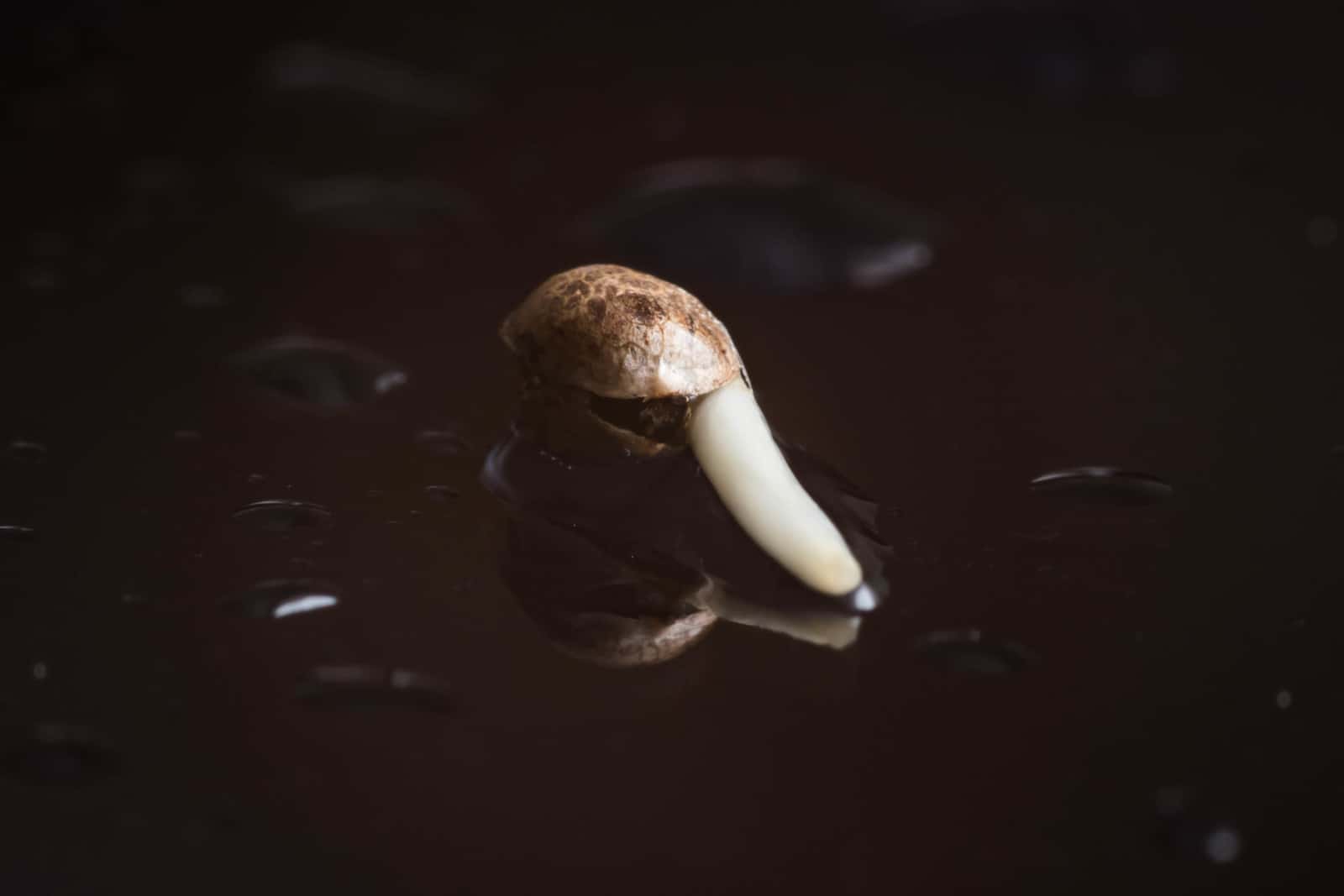
Image Credit: cannabistraininguniversity.com
A cannabis seed will germinate when the temperatures and not too cool or too warm, which is about 75 degrees. Therefore, cannabis seeds should be kept moist throughout germination to successfully sprout a stem and root system.
The seeds will not need any nutrients at the beginning, where water only is enough, and should be germinated in dark conditions.
How Long Does It Take to Germinate Cannabis Seeds?
The germination phase of marijuana seeds takes about 2 to 10 days. However, it can vary from one seed to another, and some seeds can take up to two weeks to germinate.
Eventually, you get to see the first set of cannabis leaves, and for many growers, this means the end of the cannabis germination stage and the beginning of the seedling stage.
If seed germination does not occur during this time frame, chances are it won’t germinate at all, and you should look into other options.
2. Seedling Stage

Image Credit: weedmaps.com
The seedling phase is the next 2-3 weeks after the germination stage, where the cannabis seedling will grow. In this phase, you will start to see the signs of sex, such as pre-flower hairs, although this is not always the case.
Your cannabis plant will develop branches and more leaves which is the perfect time to start low-stress training and the topping techniques.
Growing Conditions
Image Credit: ilovegrowingmarijuana.com
This phase is the most vulnerable stage and should be done indoors under a minimum of 18 hours of light, light air circulation, and warm temperatures. The lighting levels don’t need to be too intense in the cannabis seedling stage, and many growers use T5 fluorescent tubes as the lighting.
During this seedling phase, you will also notice that the stem of your seedling will try to find light by increasing its height. Avoid this stretch at all costs because if you allow it, the elongated stem is a potential hazard since the seedling will be very weak.
How Long Does the Seedling Stage Last?
The cannabis seedling stage lasts up to two or three weeks.
3. Vegetative Stage
Image Credit: ilovegrowingmarijuana.com
You should have transferred your cannabis plants to larger pots by the time you reached the vegetative stage. At this point, marijuana plant growth will be rapid as they consume more carbon dioxide and nutrients, allowing them to develop the leaves and get some shape quickly.
In this vegetative stage, vertical growth takes place, and the cannabis plants will start getting taller. You will know which types of seeds you are growing as their characteristics will start to show. For example, sativa plants will become narrower and taller, whereas indica plants will be bushy and short with dense foliage.
Moreover, the end of the cannabis vegetative stage is a great opportunity to know the difference between male and female plants. As the plant leaves this stage, the female plants will develop two white pistils, and the male plants will grow pollen sacs.
Growing Conditions
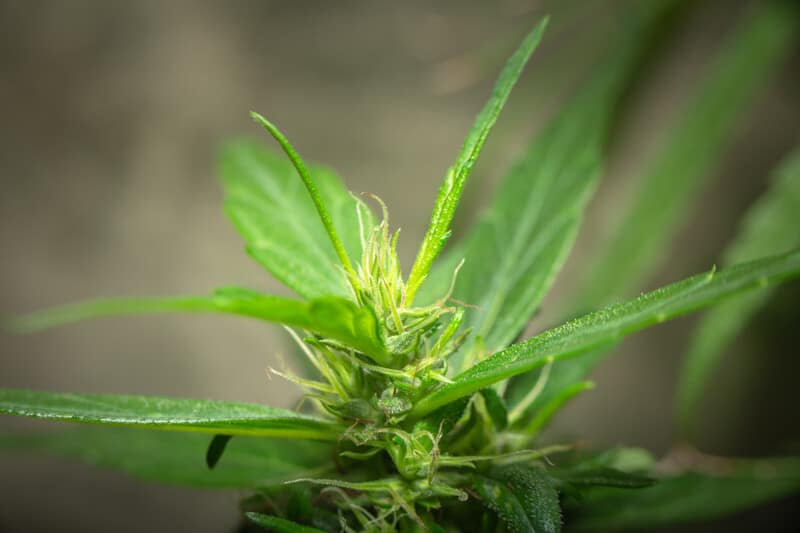
Image Credit: cannabistraininguniversity.com
In the vegetative stage of the cannabis plant life cycle, the general rule is to keep your temperature between 68 and 77˚f with a humidity between 50% and 70%. Also, nitrogen-rich nutrients are important, but you can also increase the amount of other key nutrients in the feed.
Your cannabis plant will need 16-4 hours of sunlight at this vegetative growth stage.
How Long Does the Vegetation Stage Last?
This stage of the cannabis life cycle starts from the 3rd week and lasts up to 8 weeks.
4. Flowering Stage
Some people consider the flowering stage the final stage of the marijuana growth cycle, leaving out the harvesting and pruning stages as part of the life cycle.
When cannabis plants flower, they start producing a sticky resin on their leaves, and trichomes also develop. This will show you that cannabinoids in your plant are developing well.
The flowering stage in the cannabis plant growth cycle is crucial since how potent your weed plant is will depend on how long it spends in this stage.
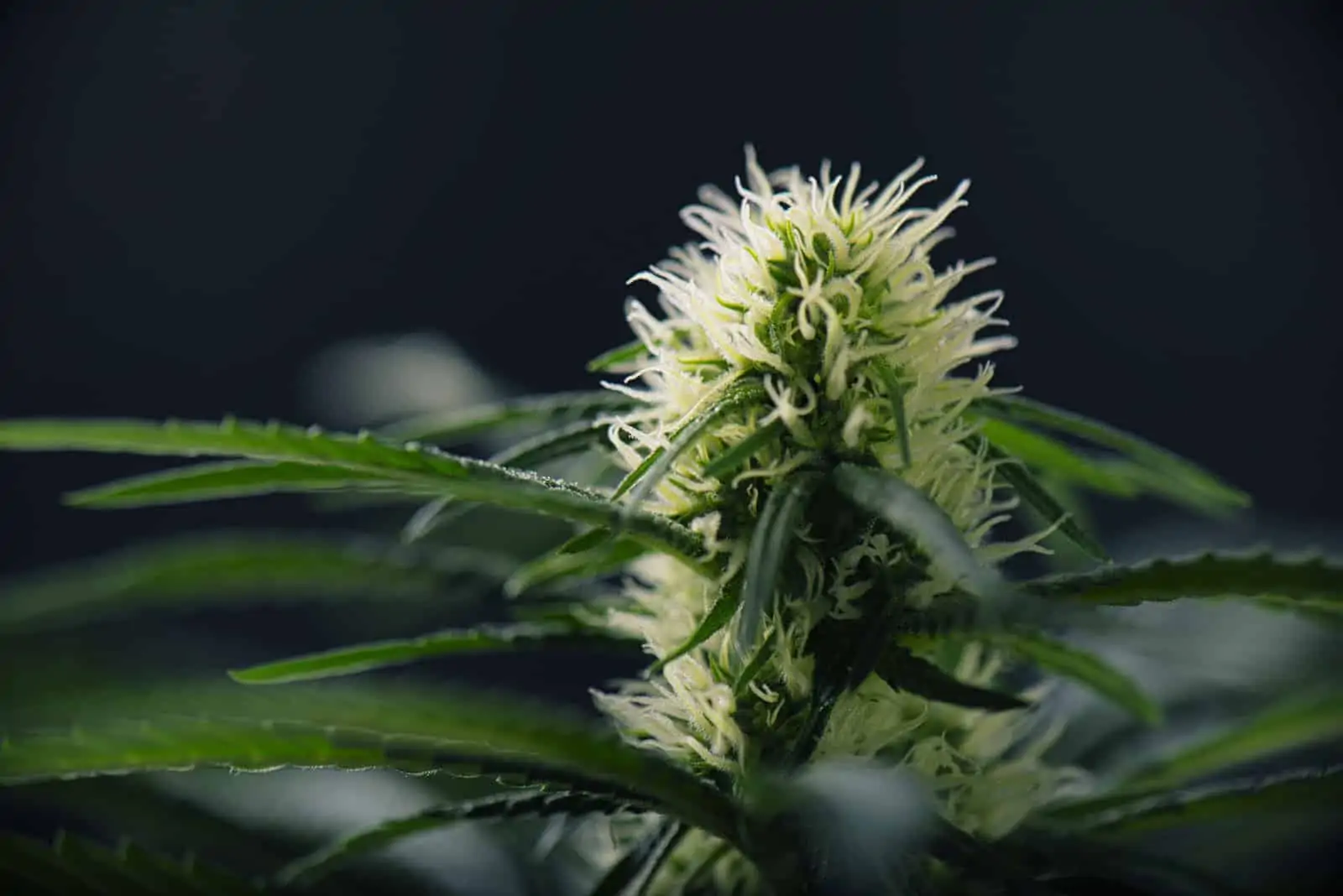
Image Credit: cannabistraininguniversity.com
The flowering stages come in three different phases:
- Flower Growth- This is the flowering stage where buds start to develop in the plants.
- Mid Flowering stage- This phase starts from the 4th week and goes up to 5 weeks when the plants stop growing since the buds have become bigger.
- Late Flowering stage- Cannabis plants are sticky during this phase, and their flowers release a pungent smell.
Growing Conditions
You can transition your marijuana plants into the flowering stage by reducing light exposure. The ideal light at this flowering phase is a 12-12 cycle, which means 12 hours of light and 12 hours of darkness.
During the flowering stage, keep the temperature between 68 and 77˚F with humidity around 50%. Also, at this flowering stage, you can stop giving your marijuana plant nitrogen but add the intake of phosphorus and potassium.
5. Harvesting Stage
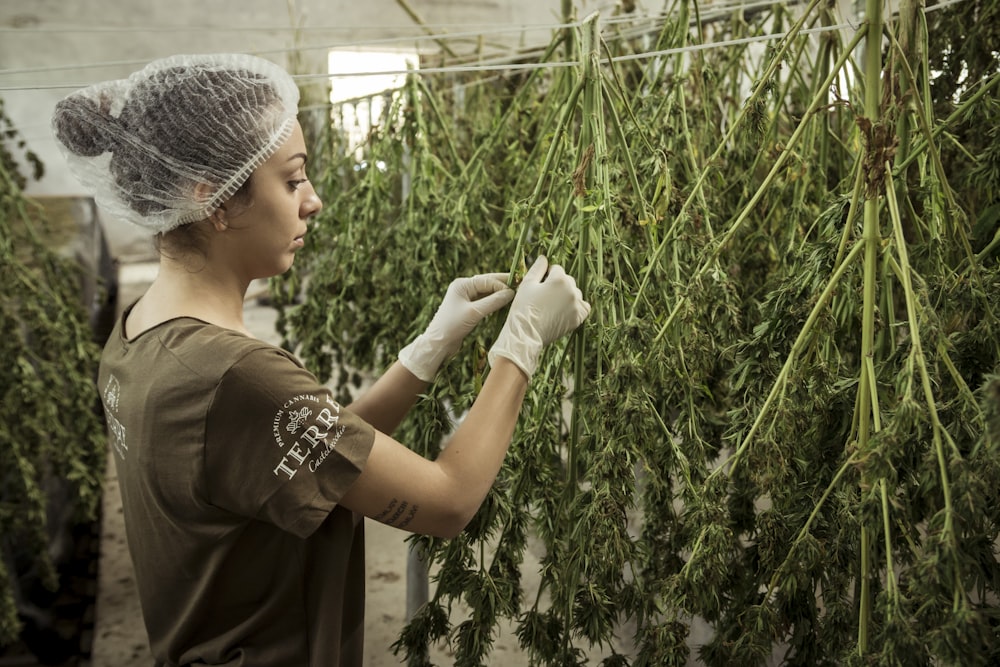
This marijuana plant stage is one of the trickiest as you need to figure out the right time by keeping an eye on your plants. It is one of the crucial cannabis plant stages since your timing can affect your plant’s taste, smell, weight, and potency. In this stage, the buds will start flattening, and white layers known as trichomes will appear.
One of the best tricks we recommend is for you to check your pistils. When they turn brown, and the leaves turn yellow, it’s time to harvest. Generally, cannabis experts advise growers to harvest their cannabis plants once 70-90% of the pistils are brown.
Image Credit: ilovegrowingmarijuana.com
However, caution is important since if our pistils are fully brown, your marijuana plants may be overripe. As a result, they won’t taste the best and will have less pleasant effects.
6. Pruning Stage
After you cut down your weed plants, it’s time to prune them; this process ensures you get a rounded and smokable bud. You can perform wet or dry pruning, and most people consider the wet method easier.
Image Credit: spruce.com
When your plants are dry, the leaves tend to curl in on themselves, and it can be harder to prune them. So instead, pick the fan leaves off your buds and trim the sugar leaves, which you can use for edibles or throw away.
The resin accumulating on your gloves is also good and potent; you can collect it too. Once your plant is pruned, your buds are ready for drying and curing, and your cannabis plant cycle is complete.
How Long Do Weed Plants Take to Grow?
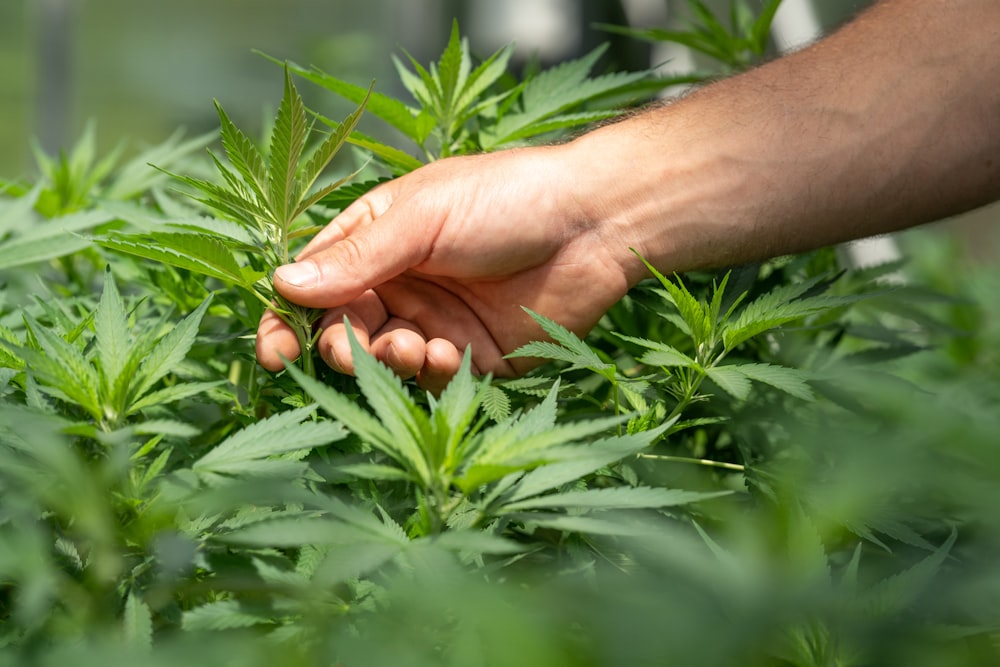
Generally, growing marijuana from cannabis seedlings to harvest takes about 10-32 weeks, about three to eight months. The cannabis growth stages are shorter if you start with an autoflower seed or a marijuana clone.
How long a marijuana plant takes to grow will depend on how long the vegetative stage will last after the seedling phase but before the flowering stages.
When cultivating weeds indoors, you can force them to flower after just a few weeks for small plants and several weeks for larger ones.
When growing outdoors, you are subject to the whims of the seasons and must wait until the sun begins to set in the fall before harvesting.
Is There a Difference Between Growing Marijuana Indoors from Outdoors?
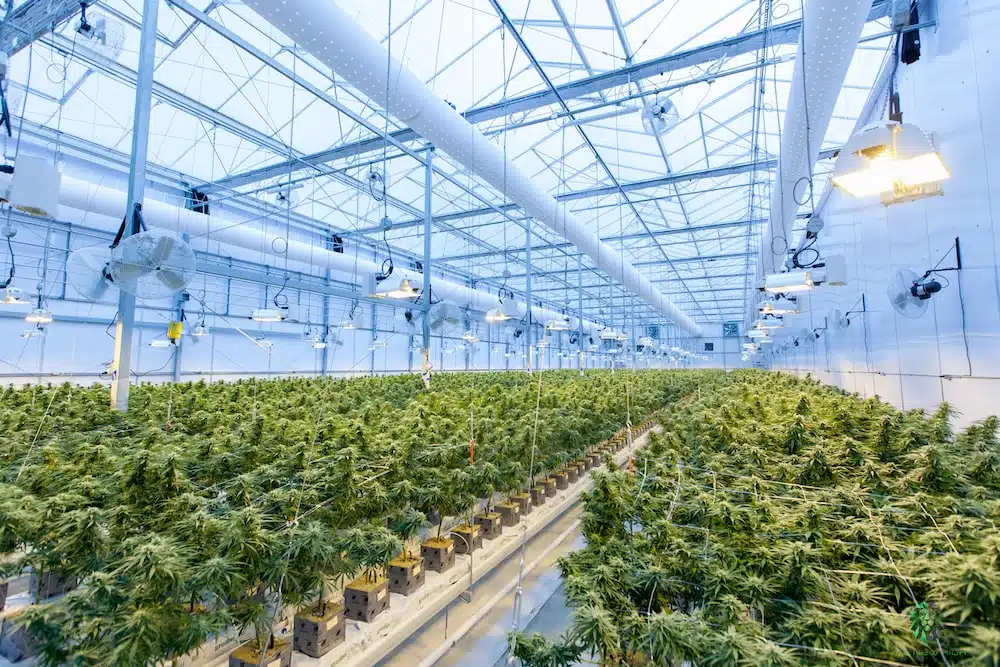
Cannabis cultivators plant cannabis in three main locations: outdoors, indoors, or in a greenhouse. Greenhouse and outdoor farming methods are the large-scale options available for cannabis crop growing, and both methods carry the same flowering time. Still, they differ immensely in the vegetative growth stages.
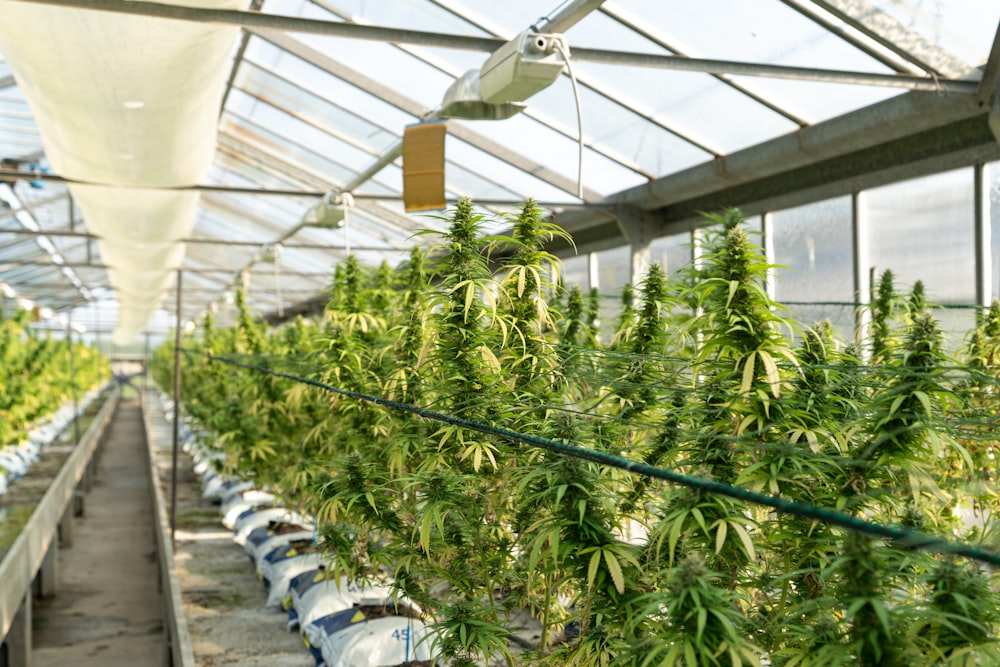
Greenhouse cannabis growth offers the best environmental control while providing the sunlight needed to grow a healthy cannabis plant. When growing marijuana in a greenhouse, you can manipulate the flowering cycle by using a light deprivation system which tricks your plants into a 2-12 light cycle. This helps growers to get short three to four weeks of the vegetative stage and about 8-11 weeks of the flowering stage.
Image Credit: ilovegrowingmarijuana.com
Alternatively, you can grow the annual plant outdoors, which will have a longer vegetative growth stage because of the natural sun cycle. The plants grown outdoors will be larger and will yield more cannabis per weed plant, but you will get one run of them per season.

Image Credit: weedmaps.com
Lastly, growing marijuana as an indoor plant will give you maximum flexibility to plant your cannabis seeds at any time of the year. This is as long as the indoor conditions can be managed according to humidity, light, air quality, and temperature. Indoor growers must invest in a lighting system like high-intensity white light or LED lights.
Conclusion

Understanding the marijuana plant stages is the first step to cultivating a healthy cannabis yield. Also, you will need to optimize your cannabis growth environment and choose the best cannabis seeds for healthy growth.
Also, the plant’s growth timing depends on many variables, such as production methods, strain biology, and external conditions. Lastly, knowing all the growing methods available will help you choose the best cannabis growth timeline for your needs for a healthy plant.
