
Sep
Beginner's Guide to Growing Marijuana
Trellising Cannabis: ScrOG & Trellis Netting Guide (2026)
The ultimate goal of cannabis growers is to boost their yields, whether they are growing a few plants at home or for commercial purposes. Growers focus on several methods to improve their yields, including better nutrient balance, more CO2, and better air control. However, there is an extremely easy and cheap method you can use: trellis netting. Trellising cannabis plants allows you to have improved yields.
So what exactly is trellising, how does it benefit your plants, and how do you use it? In this write-up, we will look at all the basics of training your cannabis plants with trellis netting and provide a guide on how to set it up to enhance your plants’ support. Let’s dive in!
What Is Trellising?
Image Credit: linkedin.com
A trellis is a system or structure that supports vining, tall, sprawling, or climbing plants as they grow. Mostly, a trellis, or trellising, is usually made from string, rope, wood, plastic, or metal. It is used to keep crops off the ground and increase usable space as well as yield.
In simpler terms, trellising uses a mesh structure to support and organize your plant’s growth. Typically, the netting has holes that you use to support and train your cannabis plants. This then encourages them to expose more nodes to light, which, in turn, boosts yield.
The main purpose of cannabis trellising is not so much to support the plant but to increase the surface area. This way, the plants’ parts receive more light. The more light your cannabis plant is exposed to, the higher the yield.
With that understanding, let’s now look at the two types of technics used for trellising these plants.
Techniques for Trellising Cannabis

Image Credit: edrosenthal.com
In the process of growing weed, trellising is typically divided into two categories: horizontal and vertical.
1. Vertical Trellising
Vertical trellising is used to support plants that grow vertically. This method is common because of its decorative designs and numerous benefits. For example, when cannabis plants grow vertically on a fence, they look beautiful and provide higher yields.
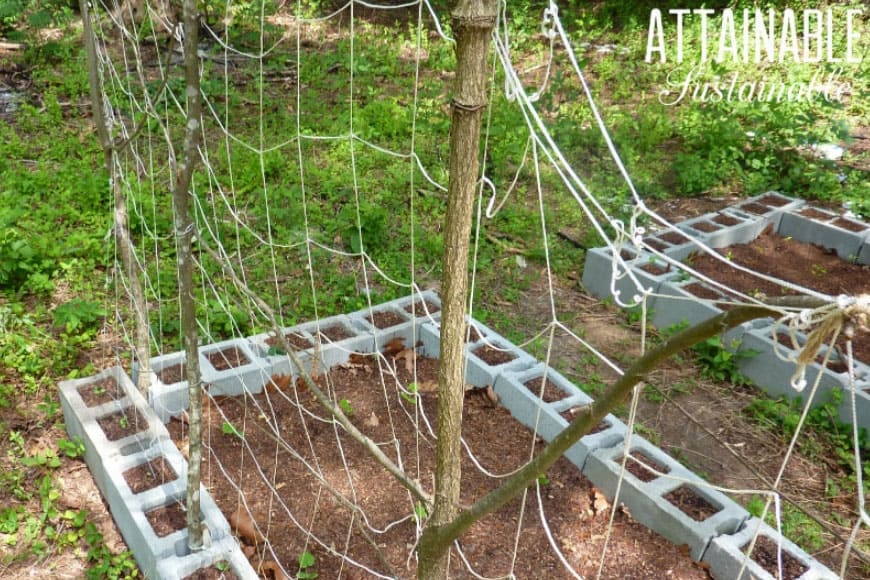
Image Credit: attainable-sustainable.net
A vertical trellis delivers vertical supports for the stems and holds the weight of heavy crops. The method is most commonly used with plants like tomatoes, cucumbers, peppers, squashes, and cannabis.
Pros
- Amazing space savers
- A perfect option for outdoor growers
- Improve indoor air quality
- Provides different designs and setups
- Reduce vegetable diseases as a result of contact with the ground.
Cons
- Increased maintenance
- Limited plant sizes
2. Horizontal Trellising or ScrOG Method
A horizontal or ScrOG is another trellising design you can use on your cannabis garden. This method extends parallel to the ground. Just like the vertical trellis, it also provides support for venting plants. The major difference is that its support is horizontal, not vertical.
Image Credit: trellis-netting.com
This method mainly used stakes, frames, nylon netting, plastic netting, welded wire, chicken wire, and twines to form horizontal structures. A horizontal trellising is a trellis netting setup that is more common with cannabis, tomatoes, peas, and grape, especially at the vegetative and flowering stages.
Pros
- Easier installation
- Provide ultimate sunlight
- Ideal for indoor growers
- Offers maximum air circulation to the plant
- It makes top half harvest easy
- The perfect option for fewer plants
Cons
- Take more space than a vertical framework
How to Trellis Your Cannabis Crop
Image Credit: maximumyield.com
Cannabis plants are not climbing plants, but they will benefit from support. For the outdoor cannabis trellis, you will require some materials that might not be essential when using the indoor cannabis trellis. This is mainly because outdoor cannabis can get big and heavy, which may need some support.
While horizontal trellising is mostly used by indoor growers, vertical trellis is common for outdoor cannabis gardens. Basically, the method you opt for will mainly depend on the pot size.
Larger pots mean bigger plants; therefore, picking a pot with enough surface area is necessary to keep the plant growing upright and healthy. Outdoors weed plants can get so top-heavy, meaning the plant can be subjected to stress, which will impact the yield.
That said, every weed grower has their growing situation, so it can be had to pinpoint which of the two methods is the best. Hopefully, the following steps will shed some light on how to set up your own trellis netting for your cannabis garden.
1. Trellising Marijuana Outdoors
When growing your cannabis outdoors, the easiest and most convenient method to support the plant is using tomato cages or any other pre-made structure. Then place structure around your young weed plant. The plant will grow into the cages, and as it does, you will help long branches by pulling them through different cage holes.

Image Credit: Youtube.com
The other trellising method for outdoor growers requires wooden stakes and plant tape. You will install the stakes firmly into the ground, extend the branches of your plants and then secure the branches to the stake using the plant tape.
Based on how big your cannabis plants are or how many plants you have, you should build frames or posts around the cannabis plants. Form a rectangle around the plants and fix trellising line to the posts in a manner that holds the branches.
2. Trellising Marijuana Indoors
The top plant canopy plays a major role in indoor cannabis growth. Since light in indoor settings is mainly above the plant, it may cause underdevelopment in the plant.
Image Credit: floraflex.com
You should start by organizing your plants into spaced rows to discourage this. These rows help you to easily access all the portions of the plant as they grow. To help with the organization, you can use grow tables. These tables allow your cannabis plants to drain excess water quickly and bring the plants up to a suitable working height.
Additionally, the tables will provide much-needed support, improving your yields. When the tables are in place, trellising them becomes much easier. You only need to roll the cannabis plant, stretch it, and fasten it on the grow table using plate tape.
Afterward, you will use a grid pattern to direct the plants and support their heavy buds. This step is important since it allows light to focus strictly on the plants’ tops; this way, all the branches will receive equal light exposure.
You can also build a structure around the cannabis plant. A standard indoor trellising structure is a frame made from PVC pipe. As with outdoor trellising, tie a trellising line around the posts in a manner that supports branches.
Why Is Trellising Important?
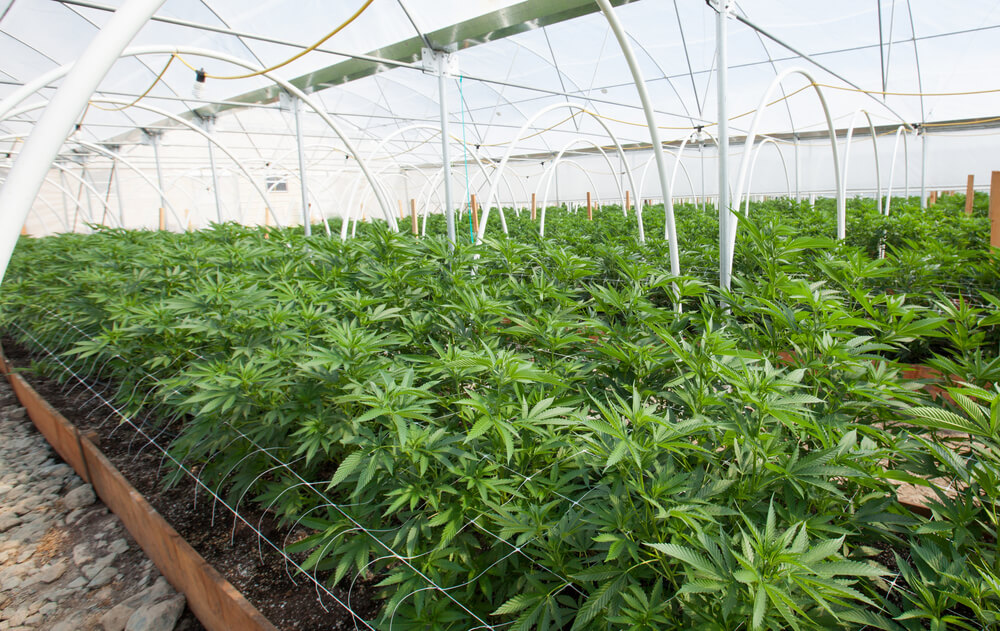
Image Credit: medium.com
Weed plants tend to grow wild and vigorous. Cannabis trellis is necessary since it provides a direction and space to guide the plant as it grows. Basically, trellising regulates where and how cannabis grows. The spaces created by netting between leaves prevent bud rot and mold. They also ensure that more node points are exposed to sunlight.
Like most plants, cannabis plants grow toward the sun, and their stems will bunch together, which is more efficient for the plants. However, if you do not trellis the stems, some will not be exposed to light, reducing yield.
Furthermore, trellising weed also provides physical support to the plant as it germinates. For example, some weed plants usually have large bud sites and retain too much water, potentially making them break. You can effectively trellis your plant to prevent such instances.
Problems Caused By Not Using Trellis in Your Cannabis Garden
Image Credit: cannabis.wiki
- Bugs and pests thrive without trellising since they can easily hop from one plant to another. With the trellis systems, there will be less chance for critters because your plants are equally and evenly spaced.
- Decreased yields: If cannabis plants are not supported and trained, they can grow wild and this, in turn, reduces your yield.
- Affects the overall performance: Trellising your cannabis allows you to closely and easily manage or monitor the plant’s growth. This way, you can tell if the plant is performing well or not. The thing is, trellis cannabis tends to provide quality yields.
- Bud rot: Another issue caused by the lack of trellising cannabis is bud rot. Plants not using this system usually have low airflow, resulting in bud rot.
Is Trellising Only for Outdoor Cannabis Plants?
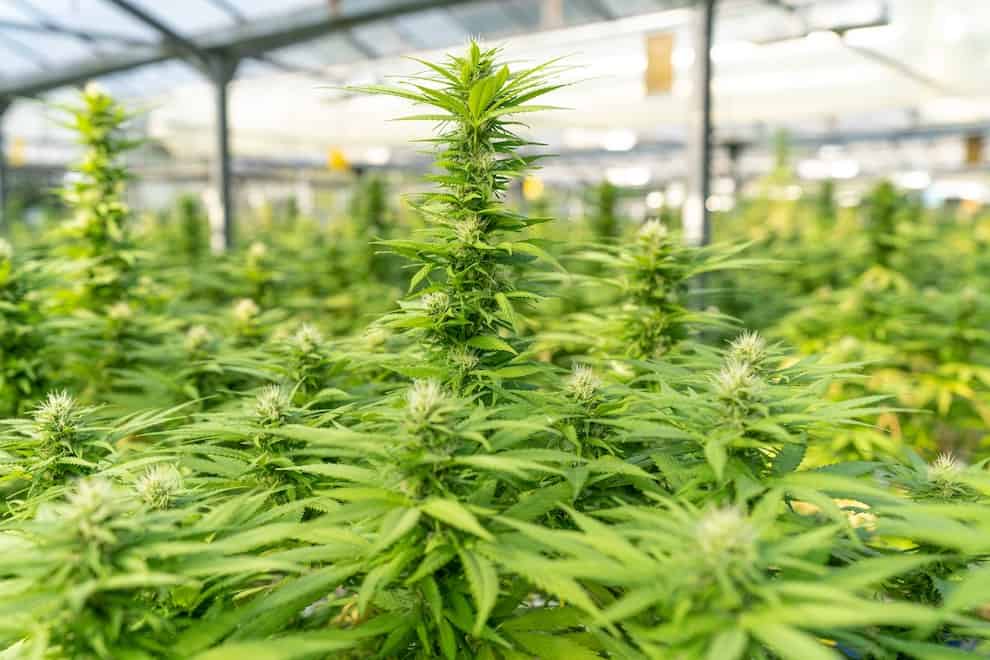
Image Credit: cannabistraininguniversity.com
Trellising is often associated with large, outdoor cannabis plants with rough branches pointing in different directions. However, indoor operations or greenhouse cultivation zones also benefit from trellising.
The major difference between indoor and outdoor trellising is the style and size. Outdoor growers normally prefer to use vertical trellising. They use frames made of wood or metal since most outdoor plants have much more room to grow.
On the other hand, Indoor growers prefer horizontal trellising since the vertical stretch is, in most cases, limited. The trellis netting is created to help plants spread horizontally. This increases the surface area, providing more room for buds to grow.
Final Thoughts
Clearly, trellising is important for your cannabis plant, as it helps spread out the plant canopy more efficiently. This then provides buds with enough space to grow, improving yields. It also supports the weight of your weed plants as they mature and grow.
Although it might seem like an unneeded step in growing cannabis, trellising cannabis is important for better growth and yield. Remember to organize the trellis in your marijuana garden to have different rows to work with.
Featured Image Credit: weedmaps.com
Quick Reference: Trellising Basics
- ScrOG (screen of green) netting is typically installed at 20-30cm of stem height
- Standard ScrOG mesh size: 10-15cm squares, enough to tuck a branch through without crushing it
- General rule for flipping to 12/12: once 60-70% of the net is filled with tucked branches
- Horizontal trellis (ScrOG) is built for indoor tents/rooms to spread canopy under a fixed light footprint
- Vertical trellis or stake support is added mid-to-late flower, roughly week 3-4, once buds start adding real weight to branches
- ScrOG is one specific technique under the broader “trellis” category, which also includes tomato cages, bamboo stakes, and vertical netting
Frequently Asked Questions
When should you put up a trellis?
For ScrOG netting, install it early in veg once the main stem reaches around 20-30cm, then tuck lateral branches under the mesh as they grow. For support trellising (stakes, cages, vertical netting to hold up heavy colas), add it once buds start putting real weight on branches, usually around week 3 or 4 of flower, before stems start bending or snapping.
What’s the difference between ScrOG and a trellis?
ScrOG is a specific horizontal netting technique used to train an even, flat canopy for maximum light coverage. “Trellis” is the broader term for any support structure, including stakes, cages, and vertical netting used mainly to hold up heavy branches rather than train canopy shape. ScrOG is technically one type of trellis.
Do you actually need a trellis for cannabis?
It’s not mandatory, but it solves two real problems: dense indica-leaning colas that snap under their own weight, and uneven light penetration in tall, bushy plants. Indoor growers use it to flatten the canopy for even light exposure; outdoor growers use support stakes or cages mainly to prevent branch breakage on heavy-yielding plants.
Does a trellis actually improve yield, or just plant structure?
Both. A flat, trained canopy under ScrOG exposes more bud sites to direct light instead of leaving lower branches shaded out, which improves airflow and reduces the chance of mould in dense growth. Support trellising doesn’t add yield directly but prevents lost weight from snapped branches late in flower.
