Jul
Seed Reviews
Death Star Strain Review: Genetics, Effects & Grow Guide
Death Star Strain Review: Genetics, Effects, and Why It Still Holds Up
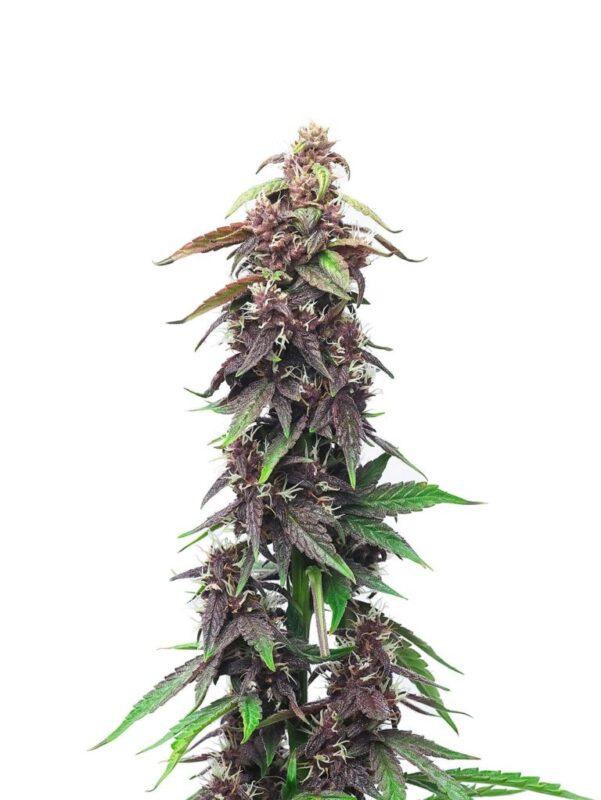
The death star strain has been kicking around North American gardens since the early 2000s, and it has aged better than most strains from that era. Bred in Ohio from a cross of Sensi Star and Sour Diesel, it pairs a sedative, couch-locking body stone with a citrus-and-diesel nose that gives it away from across the room. This death star strain review looks at where the genetics actually come from, what the seed run behaves like from germination to harvest, and whether the feminized seeds sold today live up to the reputation the name earned two decades ago.
Genetics and Lineage
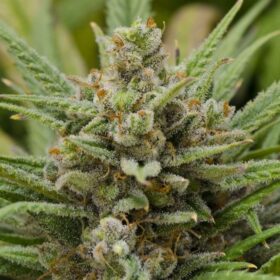
Death Star is a cross of two strains with very different personalities. Sensi Star contributes the indica backbone: dense, resinous buds, a heavy body effect, and above-average mold resistance for an indica-leaning plant. Sour Diesel brings the sharp fuel note and a faster-acting head rush that shows up in the first ten minutes before the indica side settles in. The result is a 70/30 indica-dominant hybrid that tests in the 24 to 27% THC range depending on the phenotype and growing conditions. Growers who have run both Sensi Star and Sour Diesel on their own will recognize pieces of each parent in the finished flower — the diesel is unmistakable on the inhale, and the sedation on the exhale is pure Sensi Star.
What to Expect from the High
This is not a wake-and-bake strain. The onset is gradual rather than a sudden wall, which trips up impatient smokers who redose too fast and end up more sedated than planned. Once it builds, expect a heavy, relaxed body high with a warm, drifting mental state — good for unwinding after work, managing tension or restlessness, or easing into sleep. Flavor-wise, expect earthy sweetness and skunk up front, diesel fuel on the inhale, and a finish that rounds out with cream and a light citrus edge. It is a strong strain, so first-time growers sampling their own harvest should pace themselves.
Grow Difficulty and Flowering Time
Death star feminized seeds are consistently rated as beginner-friendly, which is part of why the strain has stayed in circulation this long. The plant stays short and manageable — typically 60 to 100 cm — making it a good fit for tent grows, closets, or anyone working with limited vertical space. Flowering runs 7 to 9 weeks, on the faster end for an indica-dominant hybrid of this potency, and the plant shows above-average resistance to common molds and mildew, though bud rot is still a risk in humid climates because of how dense the colas pack in.
A few grow notes that make a real difference with this genetic line:
- Substrate: loam-based soil mixes drain better than heavy clay or silt and suit Death Star’s root structure well.
- Nutrients: a steady feed of nitrogen, phosphorus, and potassium through veg and early flower, tapering phosphorus-heavy bloom nutrients in as buds swell.
- Climate control: keep temperatures between 68–80°F and humidity moderate during flower — the dense bud structure that makes this death star weed strain so resinous is also what makes it vulnerable to rot if moisture lingers.
- pH: aim for 6.0–6.8 in soil, or 5.5–6.0 if you’re running hydro.
Expected Yield
Indoors, growers running Death Star feminized seeds under standard lighting typically see around 400 g/m², which is solid for a plant that stays this compact. Outdoors, in a full sun position with a long enough season, individual plants tend to finish around 350 g per plant. Given the short stature and manageable flowering window, yield-per-square-foot is genuinely competitive with taller strains that take up more grow space.
Grower Tips for a Better Harvest
Because Death Star handles novice mistakes reasonably well, most of the yield gains come from small refinements rather than major technique changes. A greenhouse or tent with a dehumidifier gives you the humidity control that matters most once buds start to fatten. Low-stress training in early veg helps even out light distribution across a plant that naturally wants to bush out rather than stretch. If you’re growing indoors, a slight defoliation pass around week 3 of flower opens up airflow to the lower colas without stressing the plant enough to slow it down. Outdoors, staking is rarely needed given the short frame, but wind protection helps prevent snapped branches once the buds get heavy with resin.
Who Should Grow This Strain
Anyone reading a death star strain review looking for a first indica-dominant grow should take this seriously as a candidate — it is forgiving, compact, and finishes in under nine weeks with genuinely potent results. Experienced growers will appreciate how consistently the Sensi Star genetics express themselves across a run, making it a reliable strain to keep in rotation for evening and nighttime use.
Frequently Asked Questions
Is the death star strain hard to grow?
No. It’s rated beginner-friendly thanks to its short stature, above-average mold resistance, and tolerance for minor nutrient or watering mistakes. It’s a solid choice for a first indica-dominant grow.
How long does Death Star take to flower?
Death star feminized seeds typically flower in 7 to 9 weeks, which is quick for a strain testing in the mid-to-high 20% THC range.
What kind of high does Death Star produce?
A gradual-onset, heavily relaxing body high with a warm, drifting mental effect. It’s best suited to evening or nighttime use rather than daytime activity.
If this death star strain review has you convinced, the feminized seeds are in stock now — Buy Death Star Strain Feminized Seeds at The Seed Pharm and get discreet shipping across Canada and the USA.