
Jul
Seed Reviews
Granddaddy Purple Seeds Review: Lineage & Grow Guide
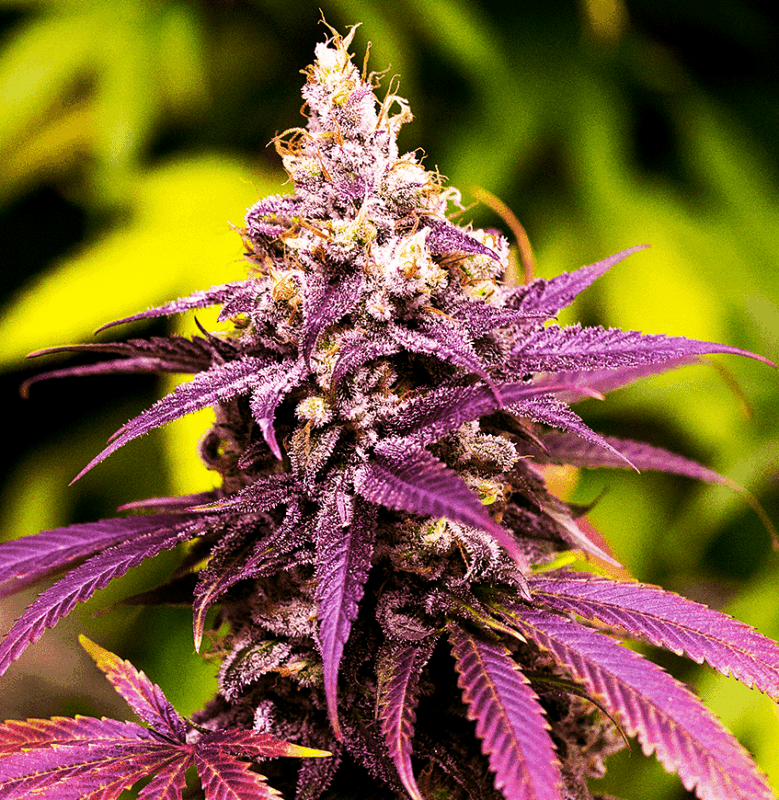
Deep purple colas, a sweet grape aroma, and one of the heaviest indica bodies in cannabis breeding — Granddaddy Purple seeds have earned cult status for good reason. This is the regular seed version, meaning every pack contains a natural mix of male and female plants, which makes it the right pick for breeders and growers who want to keep their own mother plants rather than buy feminized stock every cycle. Here’s what to expect from lineage to harvest.
Genetics and Lineage
Granddaddy Purple, often shortened to GDP, is widely credited to a cross of Purple Urkle and Big Bud, first bred in California in the mid-2000s before becoming a West Coast staple. That parentage explains almost everything about how this plant grows and finishes: Purple Urkle brings the deep purple pigmentation and grape-forward terpenes, while Big Bud contributes the dense, heavy flower structure the strain is named for. Pine and sandalwood round out the aroma behind the grape, and the stone that follows is a heavy, classic indica body effect.
Why Choose regular seeds
Regular seeds aren’t for everyone, but for the right grower they’re the better choice. Because the seeds aren’t feminized, roughly half the plants will be male — useful if you’re breeding, want to select the best phenotype to clone as a mother plant, or simply prefer working with unaltered genetics. Anyone shopping Granddaddy Purple regular seeds for this purpose should plan to identify and remove males early in flower unless pollination is the goal.
Grow Difficulty
This is a moderate grow. The plant runs tall, so vertical space or outdoor room to stretch matters, and because it’s a regular seed line, growers need to be comfortable identifying plant sex a few weeks into flower. On the upside, GDP is notably drought tolerant, so the biggest beginner mistake — overwatering — is easy to avoid here. Water sparingly and let the growing medium dry out between waterings rather than keeping it constantly moist.
Flowering Time and Yield
Flowering takes 8 to 10 weeks, a bit longer than many modern hybrids but typical for an indica-dominant strain with this much bud density. THC is reported around 24%. Outdoors, expect roughly 500 g per plant from a tall, well-branched structure — the kind of yield that rewards the extra patience the longer flower window asks for. Growers chasing granddaddy purple strain seeds specifically for their outdoor yield potential will want to budget garden space accordingly, since this isn’t a strain that stays compact.
Grower Tips: Indoor and Outdoor
Getting the Purple Color to Show
The deep purple tones this strain is famous for develop most strongly where nights turn cool late in flower — the drop in temperature triggers the anthocyanin pigments responsible for the color. Growers in regions with a cool autumn, or indoor growers who can drop nighttime temperatures a few degrees during the final weeks, will see noticeably deeper purple hues than those growing in consistently warm conditions.
Indoor Growing
Because this strain runs tall, indoor growers should plan for it from the start — topping or low-stress training early in veg keeps the final height manageable under a fixed light setup. Given its drought tolerance, indoor growers should also err toward underwatering rather than overwatering, checking that the top few centimeters of soil are dry before the next watering.
Outdoor Growing
Outdoors is where GDP performs best. Give it room to stretch, stake or cage the taller branches once dense buds start adding weight, and take advantage of natural cool nights in early fall to bring out the full purple coloration before harvest. Its drought tolerance also makes it a forgiving option for growers in drier climates who can’t water daily.
Sexing and Selection Tips
Since granddaddy purple regular seeds aren’t feminized, the first real task after the seedling stage is watching closely for pre-flowers, which typically show four to six weeks into growth. Males show small ball-shaped sacs at the nodes, while females show fine white hairs (pistils). If breeding isn’t the goal, remove males as soon as sex is confirmed to stop them from pollinating your female plants and turning valuable buds to seed. If you do want to keep genetics going, this is also the stage to tag and evaluate individual phenotypes — some plants will lean more purple or more resinous than others, and regular seeds are what let a grower select and clone the best one as a permanent mother plant.
Frequently Asked Questions
What is the lineage of Granddaddy Purple?
It’s widely credited to a cross of Purple Urkle and Big Bud, which gives it its signature purple color, grape aroma, and dense bud structure.
Are regular seeds harder to grow than feminized seeds?
Not harder exactly, but they do require identifying and removing male plants during flower unless you’re breeding, which feminized seeds don’t require.
Why do Granddaddy Purple buds turn purple?
Cool nighttime temperatures late in flowering trigger the anthocyanin pigments in the plant, which is why growers in cooler autumn climates tend to see the deepest purple hues.
For growers who want authentic genetics, a forgiving drought-tolerant plant, and some of the deepest purple buds in cannabis, this strain remains a benchmark. Buy Granddaddy Purple Seeds at The Seed Pharm and start your own purple harvest this season.
